Loading...
Serving Fort Lauderdale, FL and surrounding areas. (754) 283-8518
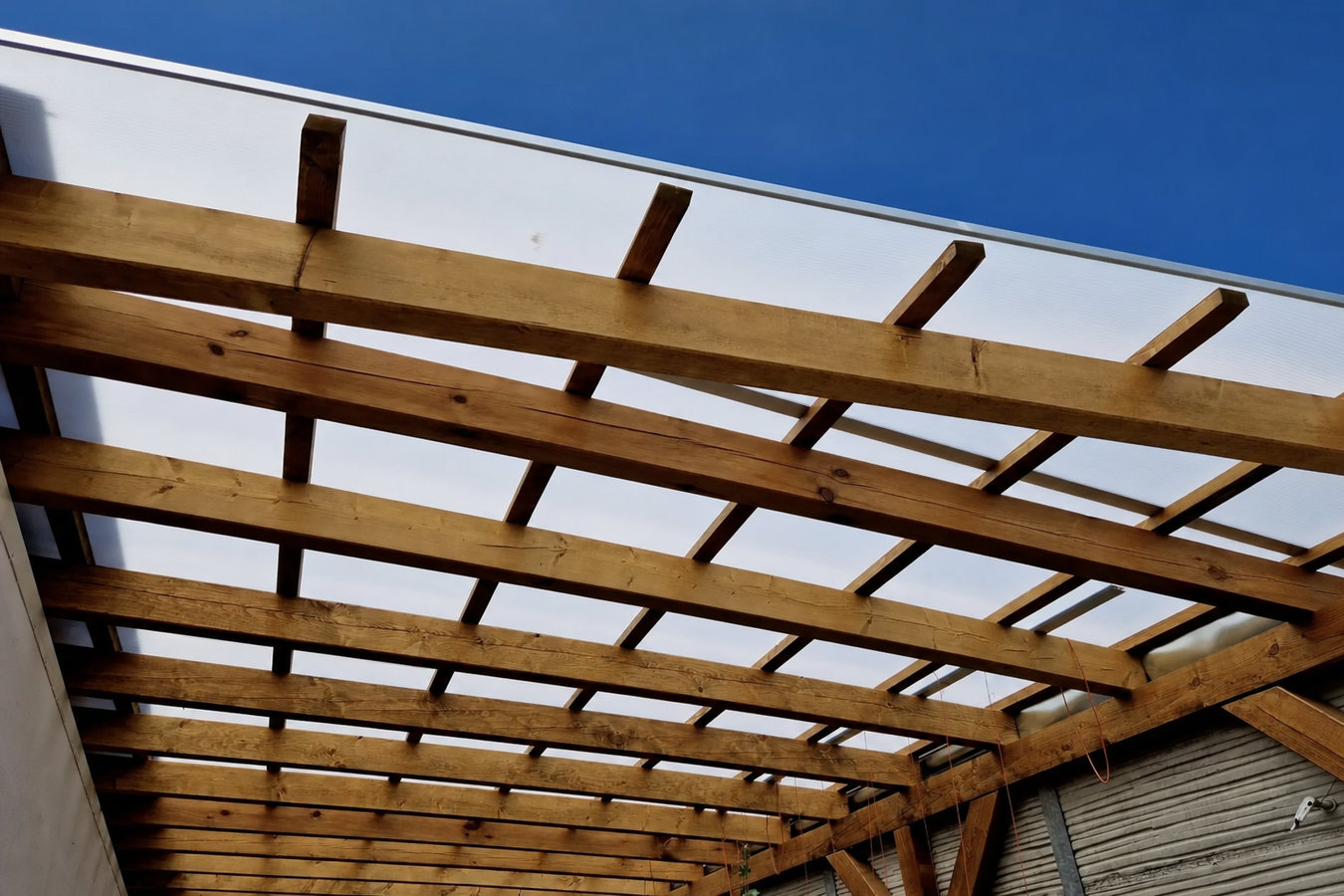
Fort Lauderdale heat and sun keep most homeowners inside. We build pergolas anchored for hurricane season, built with coastal materials, and fully permitted through the city - so you can actually use your backyard.
Pergola installation in Fort Lauderdale means setting posts in concrete footings or anchoring them to an existing slab, then assembling beams and rafters on top - most residential pergolas take one to three days to build once the crew is on site.
A pergola creates a defined outdoor room - shaded but open - that can attach to your house or stand freely in your yard. Fort Lauderdale homeowners use them to cover patios, dining areas, and outdoor kitchens. If you are already planning a cooking station outside, our outdoor kitchen decks service pairs directly with pergola work - the structure overhead is often the first piece that makes everything else possible. Every permanent pergola in Fort Lauderdale requires a building permit, and the permit process here includes a structural review for wind loads. A contractor who suggests skipping that step is not giving you the full picture.
If you want full overhead coverage instead of open rafters, our covered decks and patio covers service is worth comparing - it uses a solid roofing panel rather than open beams, which provides more rain protection during Fort Lauderdale's afternoon storms.
If you step outside between noon and 4 p.m. in Fort Lauderdale and immediately retreat back inside, your outdoor space is not working for you. Fort Lauderdale's sun angle and heat make unshaded patios genuinely uncomfortable for most of the year. A pergola with a shade covering can drop the perceived temperature underneath it noticeably, turning an unusable slab into a place you actually want to spend time.
If your backyard has a patio that feels like an afterthought - just a plain slab with no definition or enclosure - a pergola is one of the most effective ways to give it a purpose. It creates a visual anchor that makes the space feel intentional. Many Fort Lauderdale homeowners find that adding a pergola over an existing slab is the single change that gets them using their outdoor space.
If you want to add a ceiling fan, string lights, or a mounted TV outside, you need something solid to attach them to. A pergola gives you that framework. In Fort Lauderdale, where outdoor kitchens and covered dining areas are common improvements, a pergola is often the first step that makes everything else possible.
Fort Lauderdale's afternoon storms and regular wind events make freestanding umbrellas and temporary shade sails a constant frustration. If you have replaced or repaired a shade solution more than once, or find yourself taking it down every time a storm is forecast, a permanently anchored pergola with a proper wind-rated design is a far more practical long-term answer.
We build attached and freestanding pergolas in materials chosen for South Florida's coastal conditions. Aluminum is the most popular choice here because it does not rot, rust, or need painting - it handles the salt air and humidity without constant maintenance. Pressure-treated lumber can work well with proper sealing and the right fasteners. Composite materials offer a middle path between the look of wood and the durability of synthetic framing. Whatever structure you choose, every connection point uses stainless steel or marine-grade hardware - because standard hardware corrodes quickly in Fort Lauderdale's environment. Many homeowners pair their pergola with shade sails, retractable canopies, or motorized louvered roof panels that let you open up on cool days and close during afternoon downpours. If you want the pergola as the overhead structure above a full cooking station, our outdoor kitchen decks service covers the full build. For homeowners who want a solid roof rather than open rafters, our covered decks and patio covers service is the right comparison.
Every project includes a free on-site estimate, engineering drawings where the city requires them, the full permit application, and HOA submission support for neighborhoods that need it. We design post footings and hardware connections from the start for Fort Lauderdale's wind requirements - not as an afterthought when the inspector shows up.
Best for homeowners who want a rust-free, low-maintenance structure connected directly to the house - clean look, hurricane-rated connections, no painting required.
Suits homeowners who want the warm look of natural timber in a structure that stands independently in the yard - requires proper sealing and marine-grade hardware for coastal longevity.
For homeowners who want control over shade and airflow - open rafters on clear days, closed panels during rain, all operated from a remote or wall switch.
Ideal for homeowners who already have a concrete patio or deck and want to add overhead structure without a full rebuild - posts anchor to the existing surface.
Fort Lauderdale sits in one of Florida's highest wind-speed design zones, which means any pergola built here must be engineered to handle extreme wind loads - not just look sturdy. In practical terms, this affects how deep the post footings go, what connectors and anchors are used, and how the structure attaches to your home if it is not freestanding. The City of Fort Lauderdale's Building Services department reviews plans and inspects the finished structure before the permit is closed out. For you as a homeowner, this means the permit process includes a structural review that confirms your pergola can actually survive a named storm - not just pass a visual check. Homeowners we serve in Coral Springs and Pompano Beach face the same wind requirements, and we handle their permit processes regularly.
Fort Lauderdale's proximity to the Atlantic Ocean means salt air is a constant presence, even several miles inland. Standard steel hardware corrodes quickly in this environment - sometimes within a single season. A pergola built here needs marine-grade or stainless steel fasteners and framing materials that resist moisture and salt. This is one of the most common reasons homeowners end up with a pergola that looks great at first but deteriorates within a few years. An experienced local contractor specifies coastal-appropriate materials from the first estimate - not as an upsell, but as the baseline for anything they are willing to put their name on. Fort Lauderdale's outdoor living season also runs 12 months a year, which means your pergola gets more use than almost anywhere else in the country - and it needs to be built accordingly.
When you reach out, we ask a few questions right away - the size of your space, whether you have an HOA, and what you want to use the pergola for. We then schedule a free on-site visit, because no honest contractor can give you a real price from a phone call alone. Expect a reply within one business day.
After seeing your space, we put together a written proposal covering size, materials, any add-ons like fans or shade covers, and the total price. We walk you through it line by line - including what the permit process will look like and how the HOA submission works if your neighborhood requires one.
Once you approve the design and sign the contract, we submit for the required permit through the City of Fort Lauderdale's Building Services office. If your neighborhood has an HOA, we handle that submission first. Permit review for a straightforward pergola typically takes one to three weeks - we keep you updated throughout.
Most residential pergolas in Fort Lauderdale are installed in one to three days. We set posts first, then build the beam and rafter structure on top. After construction, the city inspector comes out to verify the work - we schedule and handle that visit. Once it passes, we walk you through the finished pergola and make sure you are satisfied before we leave.
We handle the permit, the HOA submission, and the coastal material selection - you just approve the design and we take it from there.
(754) 283-8518Fort Lauderdale's high-wind zone requirements are not optional extras - they are built into every pergola we install. Post footings are sized and set to local structural standards, and every hardware connection uses hurricane-rated components. The permit inspection confirms all of this before the project is considered complete.
We specify stainless steel or marine-grade fasteners and corrosion-resistant framing materials on every coastal build - not as an upsell but as the baseline. This is how we build pergolas that hold up in year five the same way they looked on day one, without requiring you to replace hardware that was wrong for the environment from the start.
We pull the city permit and submit HOA applications as a standard part of every project. You should never have to make a call to the City of Fort Lauderdale's Building Services office or figure out what paperwork your association needs. According to the Florida Department of Business and Professional Regulation, Florida contractors must be properly licensed - ours are, and you can verify that online before you sign anything.
We have built pergolas throughout Fort Lauderdale's residential neighborhoods - from Victoria Park and Coral Ridge to Rio Vista and Las Olas Isles. We know which HOAs have strict design review guidelines, how the city permit office works, and what materials hold up in different parts of Broward County. That local knowledge is not something you can get from a contractor working in from out of the area.
Every one of these proof points comes back to the same thing: a pergola in Fort Lauderdale needs to be built for this specific place - not assembled from a generic plan and handed off without a permit. That is the standard we hold ourselves to on every project.
For general guidance on pergola design and outdoor structure standards, the American Society of Landscape Architects and the Florida Building Commission are reliable starting points for understanding what is required in a high-wind zone like Fort Lauderdale.
A pergola overhead and a built-in kitchen below - we design and build the full outdoor cooking and entertaining setup together.
Learn MoreIf you want solid rain protection instead of open rafters, a covered patio or deck cover gives you full overhead weather shielding.
Learn MorePergola season is year-round here - the sooner we get your permit submitted, the sooner you are outside enjoying it. Call or request a free estimate today.